Control Valves
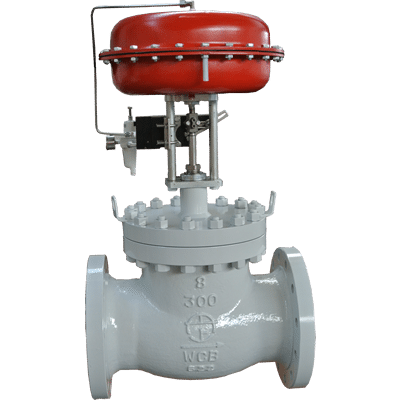
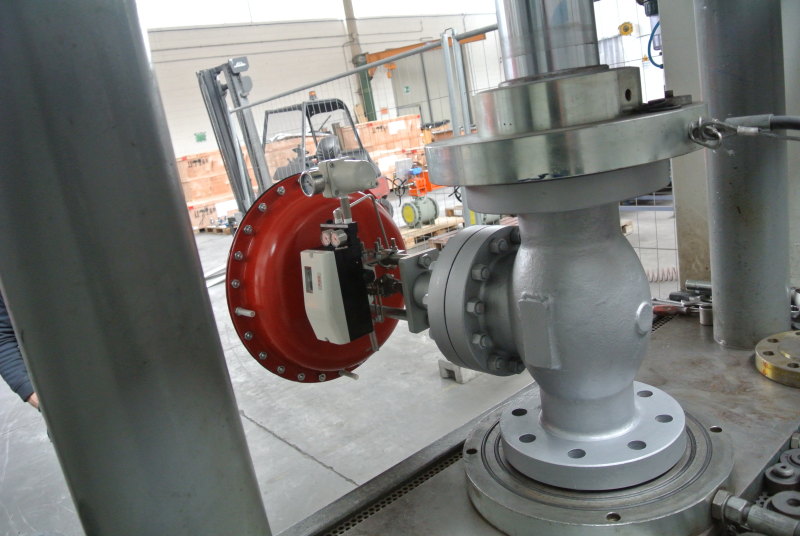
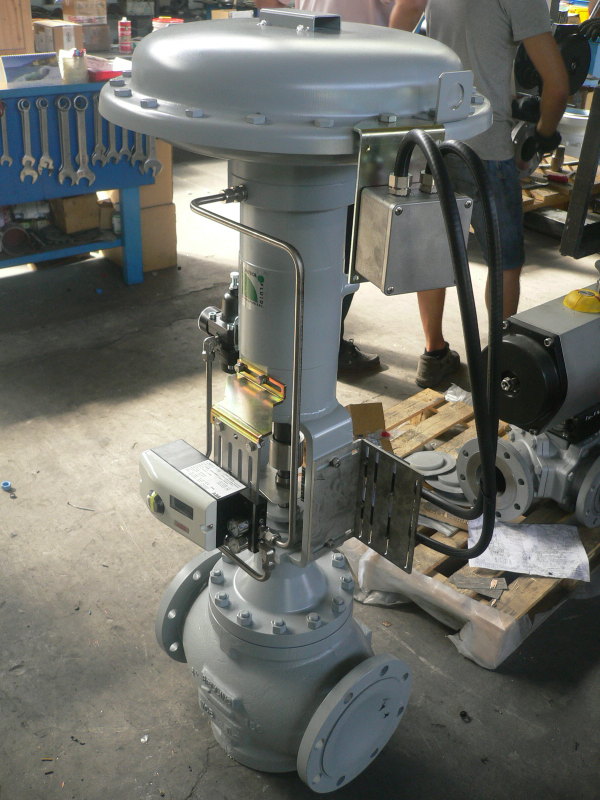
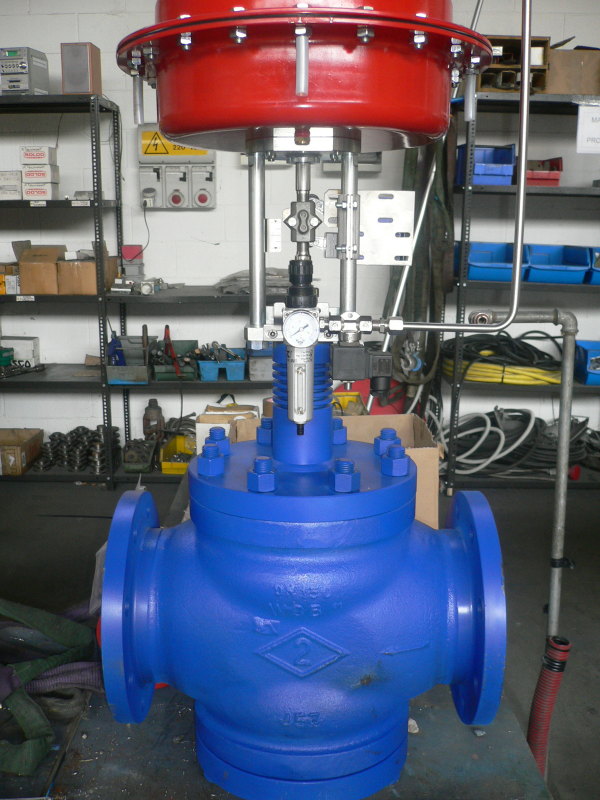
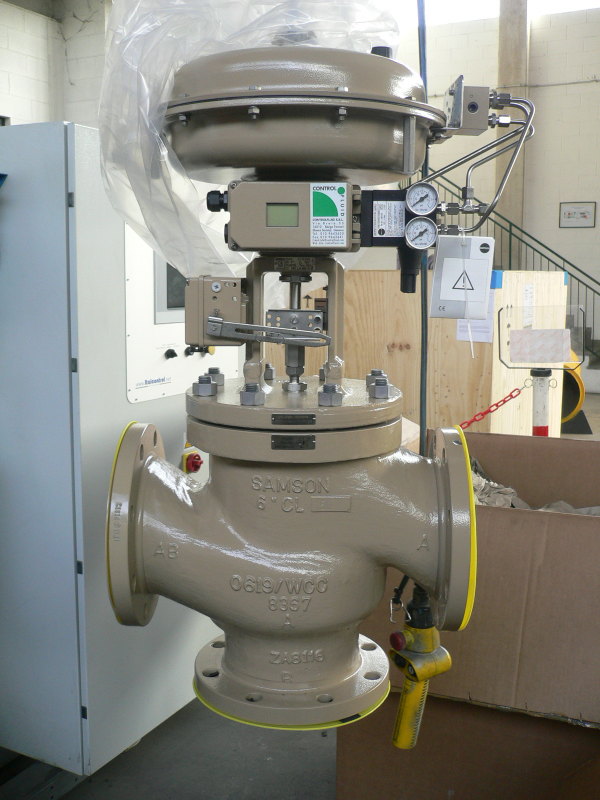
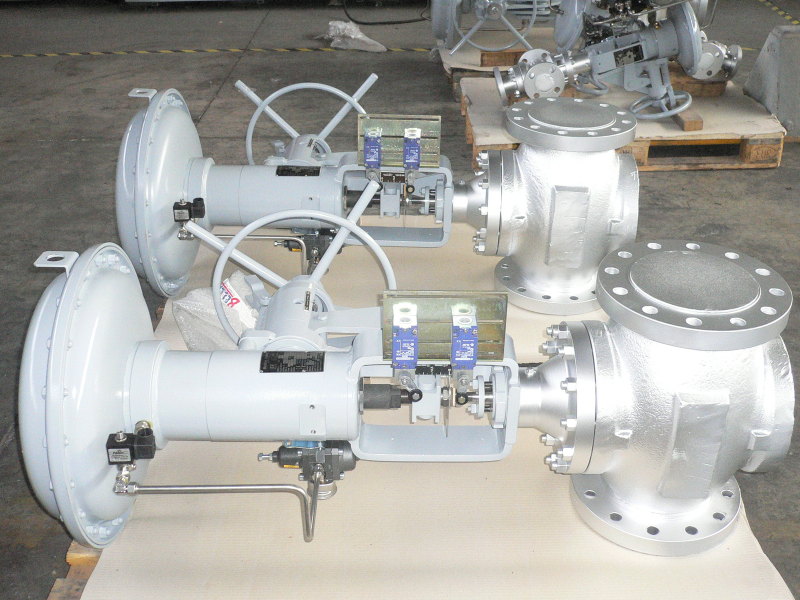
The control valve is a valve with a regulating actuator that can position the opening of the shutter to a certain position or in response and proportion to the external signal received.
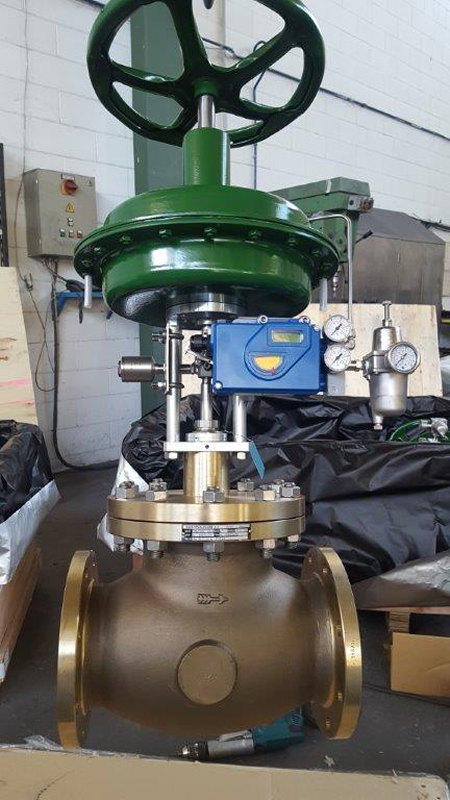
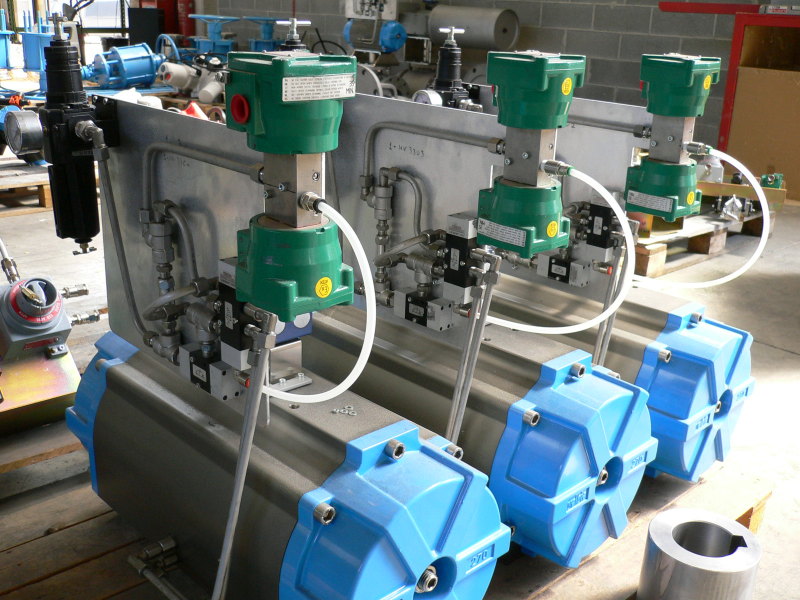
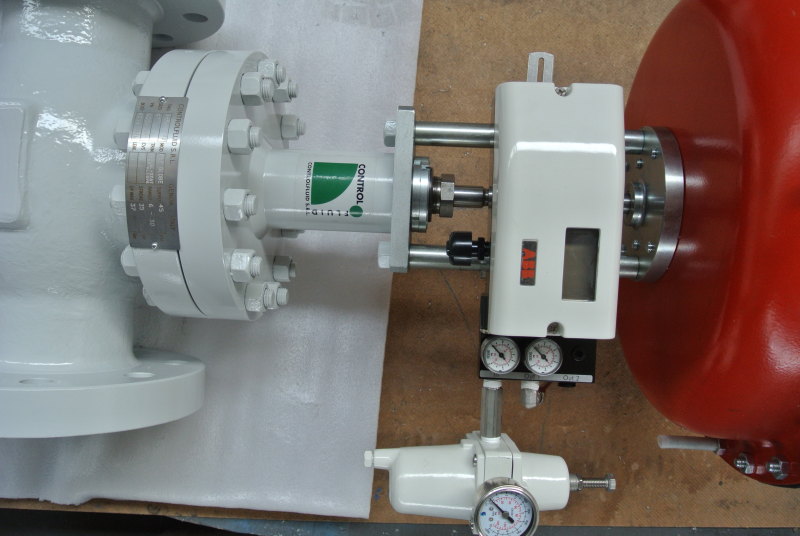
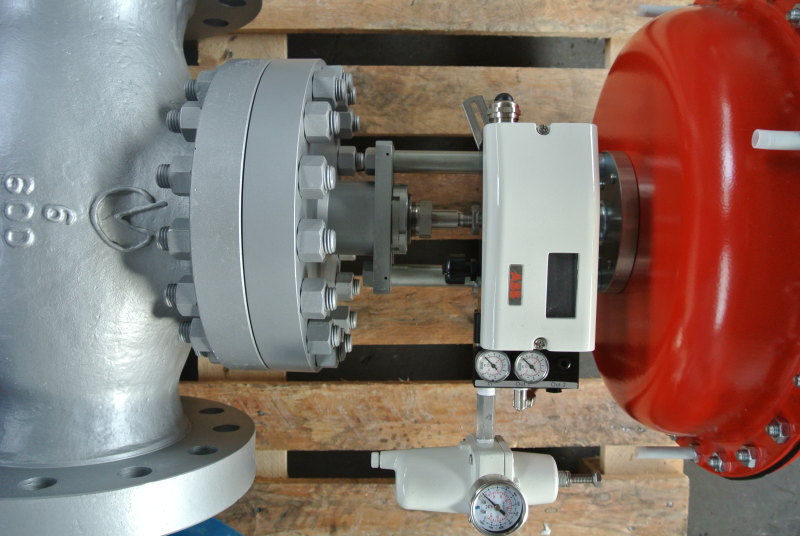
Opening or closing is generally controlled by electric, hydraulic or pneumatic actuators. Normally, the opening of a modulating valve can be set to any position between fully open and fully closed, and positioners are used to ensure that the valve reaches the desired percentage degree. Valves with pneumatic actuators are commonly used due to their simplicity, as they only require a supply of compressed air.
The pneumatic control signal is traditionally based on a pressure range of 3-15 psi or an electrical signal of 4-20 Ma for industry, or 0-10 V for HVAC systems. With the development of industrial microprocessors, the electrical signal becomes “SMART” capable of communicating with Hart or Fieldbus or Profibus protocols.
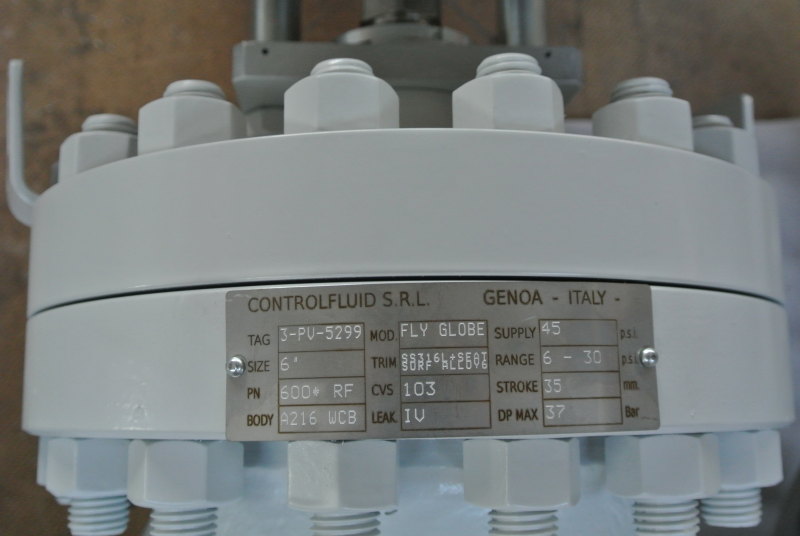
Valve specifications
All materials comply with NACE MR 01-75
Control Valve Gallery



Why choose Controlfluid

Customised solutions
We design and manufacture customised valves, based on the real application needs of the customer, always in accordance with international standards.

Flexibility and speed
Lean and independent structure means quick decisions, short response times and maximum adaptability even in the most complex projects.

One responsible partner
One contact person, one guarantee: we select, test and supply reliable products, taking full responsibility for delivery.

Dedicated technical consultancy
We accompany the customer at every stage: from product selection to design and after-sales service, with highly specialised technical support.

Certified and reliable quality
Since 1987 we have been operating under certified quality systems, with internationally recognised internal audits, tests and approvals.
Request a quote
CONTROLFLUID s.r.l.
Braia Street, 55
16019 Ronco Scrivia (GE)
ITALY (IT)
Tel. +39 010 9642630
Fax +39 010 9642641
Headquarters
Motorized, electric and pneumatic valve assembly, final inspection and NDT testing